PTSO Meaning: What It Stands For and Why It Matters
If you’ve come across the acronym “PTSO” and found yourself puzzled, you’re in good company. Whether you spotted it on a school newsletter, a community board notice, or a social media post, understanding the PTSO meaning can help you get more involved in the communities and organizations that shape everyday life — especially for families with school-age children.
This guide breaks down exactly what PTSO stands for, how it differs from similar organizations, and why it plays such a meaningful role in schools across the country.
PTSO Meaning: The Full Form Explained
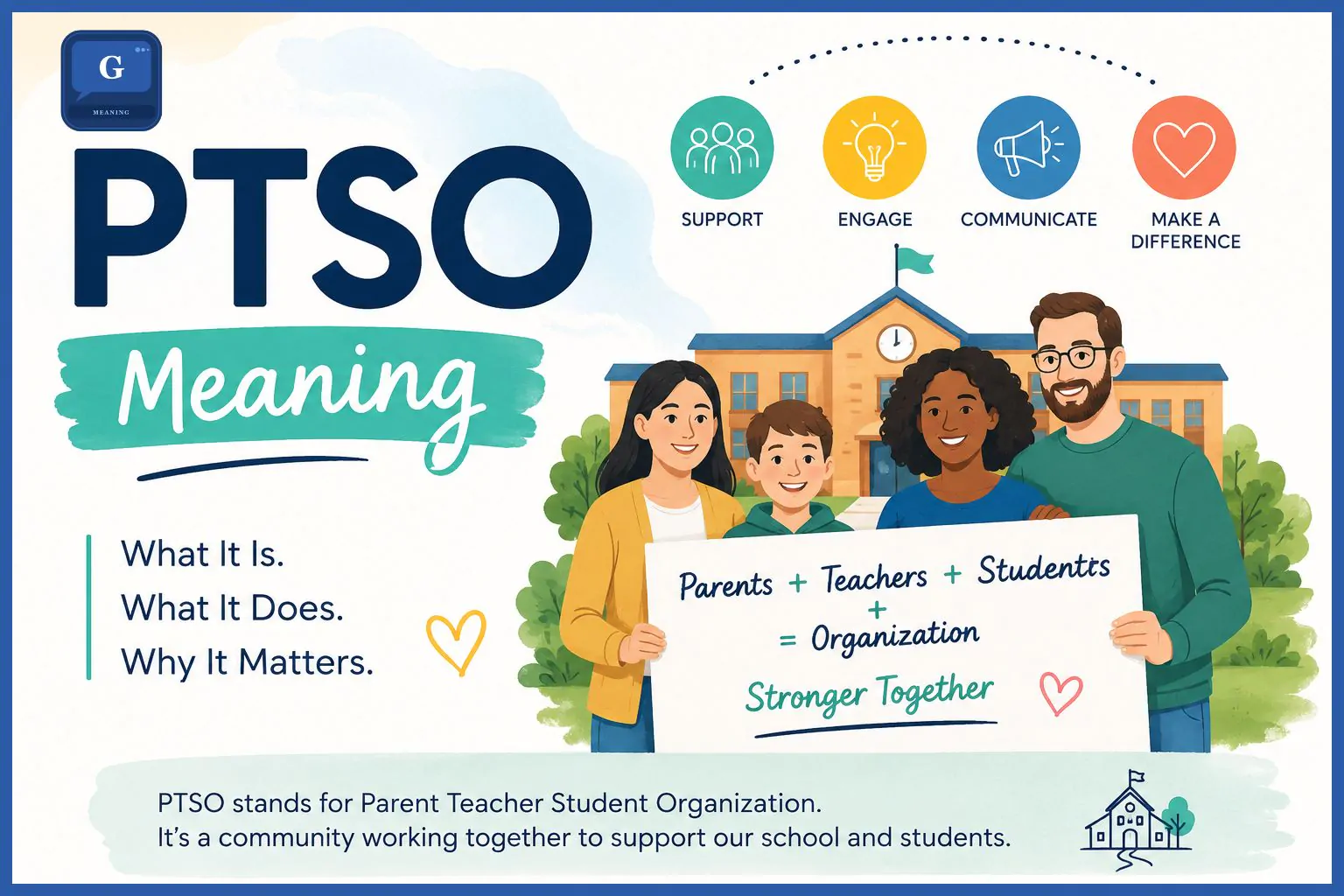
PTSO stands for Parent Teacher Student Organization. It is a school-based group that brings together three key stakeholders in a child’s education — parents, teachers, and students — under one collaborative umbrella.
The core idea behind the PTSO meaning is partnership. Rather than separating the voices of educators and families, a PTSO creates a structured space where all three groups can work together toward shared goals: improving the school environment, supporting academic programs, organizing community events, and advocating for student needs.
Think of it as the connective tissue between home and school. When a PTSO is functioning well, communication flows more freely, resources are better shared, and students benefit from a more unified support system.
How PTSO Differs From PTA and PTO
One of the most common points of confusion when people first look up the PTSO meaning is how it compares to similar acronyms — particularly PTA (Parent Teacher Association) and PTO (Parent Teacher Organization).
PTA vs. PTSO
A PTA is affiliated with the National Parent Teacher Association, a long-established nonprofit with standardized bylaws, membership dues, and national advocacy programs. When you join a PTA, your school becomes part of a larger national network. This comes with certain benefits, including access to national resources and insurance — but also with specific obligations and fees.
A PTSO, by contrast, is typically an independent, school-level organization. It is not bound to a national body, which gives it more flexibility to design programs and allocate funds according to the unique needs of its own school community.
PTO vs. PTSO
A PTO (Parent Teacher Organization) includes parents and teachers but often leaves students out of the formal structure. The “S” in PTSO is significant — it signals that student voices are intentionally included in the organization’s leadership, planning, or both.
This makes the PTSO particularly valuable at the middle school and high school level, where students are mature enough to contribute meaningfully to decisions that affect their own educational experience.
What Does a PTSO Actually Do?
Now that the PTSO meaning is clear, it helps to understand what these organizations actually accomplish on the ground. The scope of a PTSO’s work varies by school, but common activities include fundraising for classroom supplies, technology, and extracurricular programs; organizing school events like carnivals, dances, and academic fairs; facilitating communication between teachers and families; and supporting student-led initiatives and clubs.
Beyond the practical work, a PTSO also creates a sense of community. Schools with active parent-teacher-student organizations tend to have higher levels of family engagement, which research consistently links to better student outcomes. According to the Harvard Family Research Project, students whose families are engaged in their schooling show improved attendance, stronger academic performance, and more positive attitudes toward school.
The Role of Students in a PTSO
The inclusion of students is what truly sets the PTSO apart — and it’s worth exploring in more depth. In many PTSOs, students hold formal positions on the executive board or serve on committees alongside adult members. This gives young people real decision-making power in conversations about their school.
When students understand the PTSO meaning and take part in its work, they develop skills that extend well beyond the classroom — leadership, public speaking, budgeting, event planning, and civic engagement. It’s a hands-on civics lesson that happens in real time.
At the high school level especially, PTSO involvement can be a meaningful addition to a college application, demonstrating initiative and community commitment.
Why Joining or Supporting a PTSO Matters
If your school has a PTSO, getting involved is one of the most impactful things you can do — whether you’re a parent, teacher, or student. These organizations are only as strong as their members, and many PTSOs struggle with low participation despite having ambitious goals.
For parents, joining doesn’t have to mean attending every meeting or heading a committee. Even occasional volunteering at events or contributing to fundraising efforts makes a real difference. For teachers, an active PTSO can mean more resources, more community support, and a stronger partnership with families. And for students, it’s an opportunity to shape the very environment they spend most of their day in.
If your school doesn’t yet have a PTSO, it’s worth exploring how to start one. The National PTA website offers resources and guidance that can help even independent organizations get off the ground.
Conclusion
The PTSO meaning goes far beyond a simple acronym. A Parent Teacher Student Organization represents a genuine commitment to collaborative education — one where families, educators, and young people share both the responsibility and the rewards of a thriving school community.
Whether you’re a parent trying to decode a school flyer, a teacher looking for ways to build stronger family connections, or a student curious about ways to make your voice heard, understanding what PTSO means is the first step toward getting involved. And getting involved, as any educator will tell you, is always worth it.
FAQs About PTSO Meaning
Q1: What does PTSO stand for?
PTSO stands for Parent Teacher Student Organization — a school-based group that unites parents, teachers, and students to support and improve the school community.
Q2: Is a PTSO the same as a PTA?
No. A PTA is affiliated with the national Parent Teacher Association and follows its bylaws. A PTSO is typically independent and has more flexibility in how it operates.
Q3: What is the difference between a PTO and a PTSO?
A PTO includes parents and teachers. A PTSO also formally includes students, giving young people a voice in the organization’s decisions and activities.
Q4: What does a PTSO do at a school?
PTSOs organize fundraisers, school events, and community activities. They also facilitate communication between families and teachers, and support student-led programs.
Q5: Can students hold leadership roles in a PTSO?
Yes. Many PTSOs include student representatives on their board or committees, allowing young people to participate directly in decisions that affect their school.
Meta Title: PTSO Meaning: What It Stands For (47 characters)
Meta Description: Learn the PTSO meaning — what it stands for, how it differs from PTA and PTO, and why joining one benefits students, parents, and teachers. (140 characters)

Helping brands improve search visibility through expert guest posting, blogger outreach, quality backlink acquisition, and white-hat off-page SEO strategies that deliver results.