What Does OTP Mean in Text? Slang Guide
Understanding what otp mean in text has become crucial in our digital-first world where conversations move quickly across messaging apps and social platforms. This three-letter acronym appears frequently in casual chats, leaving many people wondering about its intended message. Depending on the situation, OTP can convey different ideas, from letting someone know your current availability to expressing deep fandom enthusiasm.
This comprehensive guide explores the various interpretations of OTP, how context shapes its meaning, and practical examples to help you navigate conversations confidently. Whether you encounter it in family group chats, friend conversations, or online communities, you will gain clarity on this versatile texting shorthand.
The Most Common Meaning of OTP in Everyday Texting
When most people ask what otp mean in text, they are usually looking at the phrase “On The Phone.” This usage serves as a quick status update, informing the recipient that the sender cannot respond immediately because they are engaged in a call.
For instance, if a friend asks about meeting up and you reply with “OTP right now, call you back,” it efficiently communicates your current situation without needing a longer explanation. This practical application makes OTP valuable in fast-paced daily interactions where full sentences might slow down the exchange.
What otp mean in text in this context prioritizes convenience and clarity. It prevents misunderstandings by setting expectations about response times, especially useful during work hours or family commitments.
OTP as One True Pairing in Fandom Culture
Another popular interpretation, particularly among younger users and online communities, is “One True Pairing.” This meaning comes from fan culture where enthusiasts declare their favorite romantic couple, whether fictional characters or real celebrities.
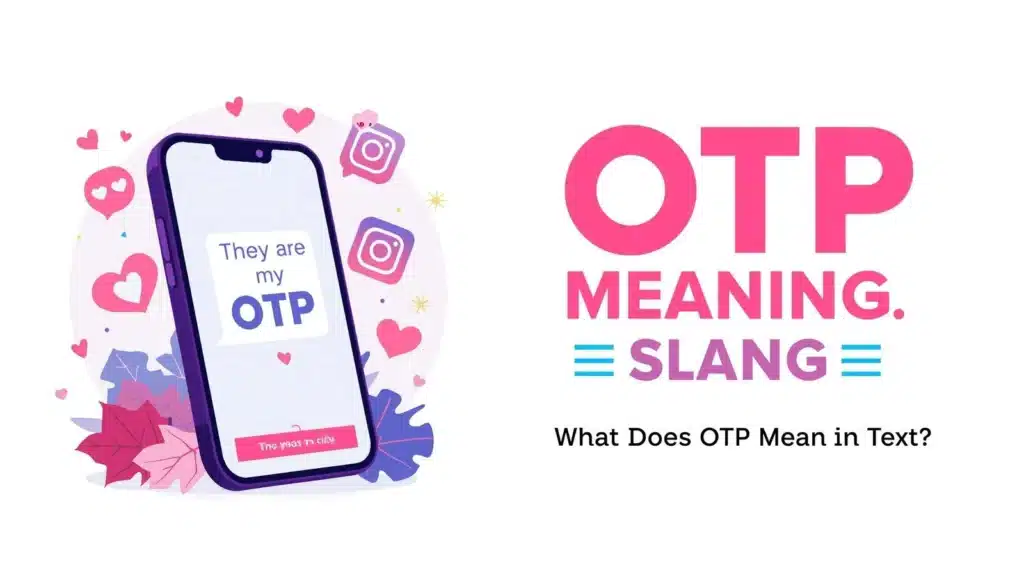
In fan discussions on platforms like TikTok or Tumblr, someone might write “They are my OTP forever” about two characters from a popular show or book series. This usage reflects emotional investment and shared excitement within communities that bond over stories and relationships.
When exploring what otp mean in text through this lens, you enter the world of shipping culture. Fans analyze interactions, create content, and debate why certain pairings feel perfect. This meaning adds layers of passion and creativity to digital conversations.
Technical and Security Contexts for OTP
In more formal or tech-related exchanges, OTP often stands for “One Time Password.” Companies use these temporary codes for account verification, two-factor authentication, and secure logins.
You might receive a message saying “Your OTP for login is 456789” from a banking app or service provider. Understanding this meaning helps distinguish security notifications from casual slang, preventing confusion or potential security oversights.
What otp mean in text shifts significantly here from emotional or availability expressions to practical security tools that protect personal information in our increasingly digital lives.
How Context Determines the Correct Interpretation
Context remains the most reliable guide when deciphering what otp mean in text. The same three letters can shift dramatically based on the conversation topic, relationship between participants, and platform used.
A quick reply during a phone call clearly points to “On The Phone,” while enthusiastic comments in a fan group chat lean toward “One True Pairing.” Security alerts from official accounts almost always indicate “One Time Password.”
Social media platforms influence usage patterns too. Casual apps favor the availability or fandom meanings, whereas professional or banking-related messages stick to the security definition. Developing awareness of these patterns improves your ability to respond appropriately.
Generational and Cultural Variations in OTP Usage
Younger generations, especially Gen Z and Millennials, embrace OTP fluidly across multiple meanings. They might switch seamlessly between fandom discussions and status updates within the same chat thread. Older adults sometimes encounter confusion when first seeing the acronym in family messages.
Cultural differences also play a role. In regions with strong fan communities around K-dramas, anime, or Western series, the “One True Pairing” meaning gains prominence. Meanwhile, in professional environments, the security or availability senses appear more frequently.
These variations highlight how language adapts to different social circles while maintaining core utility in communication.
Practical Examples Across Different Situations
Seeing OTP in action clarifies its applications. During a busy workday, a colleague might text “OTP with client, will review later” to manage expectations. Friends planning a hangout could receive “OTP now, text you when free” as a polite delay notice.
In fandom spaces, comments like “This scene made them my OTP” celebrate romantic developments in stories. Security messages appear more straightforward: “Enter the OTP sent to your phone to continue.”
These real-world examples demonstrate why learning what otp mean in text enhances digital fluency across personal, professional, and entertainment contexts.
The Evolution of OTP in Digital Communication
OTP reflects broader trends in how we shorten language for speed and efficiency. As messaging replaced phone calls for many interactions, status abbreviations like this one filled communication gaps. Fandom culture further expanded its usage by adding emotional depth.
Technology also drove the security meaning as online safety became paramount. The convergence of these different threads makes OTP a fascinating case study in modern linguistics.
Staying updated with such terms keeps conversations smooth and prevents generational or contextual misunderstandings.
Tips for Using OTP Correctly in Your Messages
Using OTP effectively requires matching the meaning to the situation. In casual friend chats, feel free to signal availability with “OTP.” In fan communities, embrace the shipping excitement. Always spell out “One Time Password” in formal security contexts to avoid any ambiguity.
Observe how others in your circles use the term before adopting it widely. This practice helps align your communication style appropriately. When responding to OTP from others, acknowledge it to maintain conversational flow.
Combining OTP with emojis or additional context often reduces potential confusion, especially across different age groups or backgrounds.
For more insights into digital language trends, explore our related guides on common texting acronyms and modern communication etiquette available on this site.
Why Understanding OTP Matters in Today’s World
Mastering what otp mean in text goes beyond simple curiosity. It improves relationships by reducing miscommunication and shows awareness of contemporary culture. In professional settings, it prevents awkward delays or security mishaps. In personal life, it deepens connections within shared interests like fandoms.
This knowledge also supports better digital parenting. Parents who understand terms like OTP can engage more meaningfully with their children’s online worlds while maintaining appropriate boundaries.
As communication continues evolving, terms like OTP demonstrate the creative ways people adapt language to new technologies and social needs.
Broader Impact on Language and Connection
Abbreviations such as OTP showcase language’s living nature. They emerge from necessity, spread through communities, and sometimes cross into mainstream usage. Understanding them fosters inclusivity and stronger interpersonal bonds across digital spaces.
In many ways, mastering these elements represents a form of digital literacy essential for meaningful participation in modern society.
Conclusion
Grasping what otp mean in text equips you to navigate conversations with greater confidence and understanding. Whether it signals someone is “On The Phone,” celebrates a “One True Pairing” in fandoms, or references a security “One Time Password,” this small acronym carries significant weight in digital interactions.
By paying attention to context and staying curious about evolving slang, you enhance both your sending and receiving experiences. Language will continue changing, but core principles of clear communication remain constant.
Next time OTP appears in your messages, you will instantly recognize its intended meaning and respond in ways that strengthen connections rather than create confusion.
FAQs
OTP most commonly means “On The Phone,” used to let others know you are currently unavailable because you are on a call.
In fandom contexts, OTP stands for “One True Pairing,” referring to a person’s favorite romantic couple in fiction or among celebrities.
Yes, OTP can mean “One Time Password,” a temporary code sent for account verification and online security purposes.
Context is essential. Availability during calls points to “On The Phone,” fan discussions suggest “One True Pairing,” and login messages indicate “One Time Password.”
Use OTP sparingly in casual team chats for availability. Avoid it in formal emails or official matters where full phrases ensure clarity.

Helping brands improve search visibility through expert guest posting, blogger outreach, quality backlink acquisition, and white-hat off-page SEO strategies that deliver results.