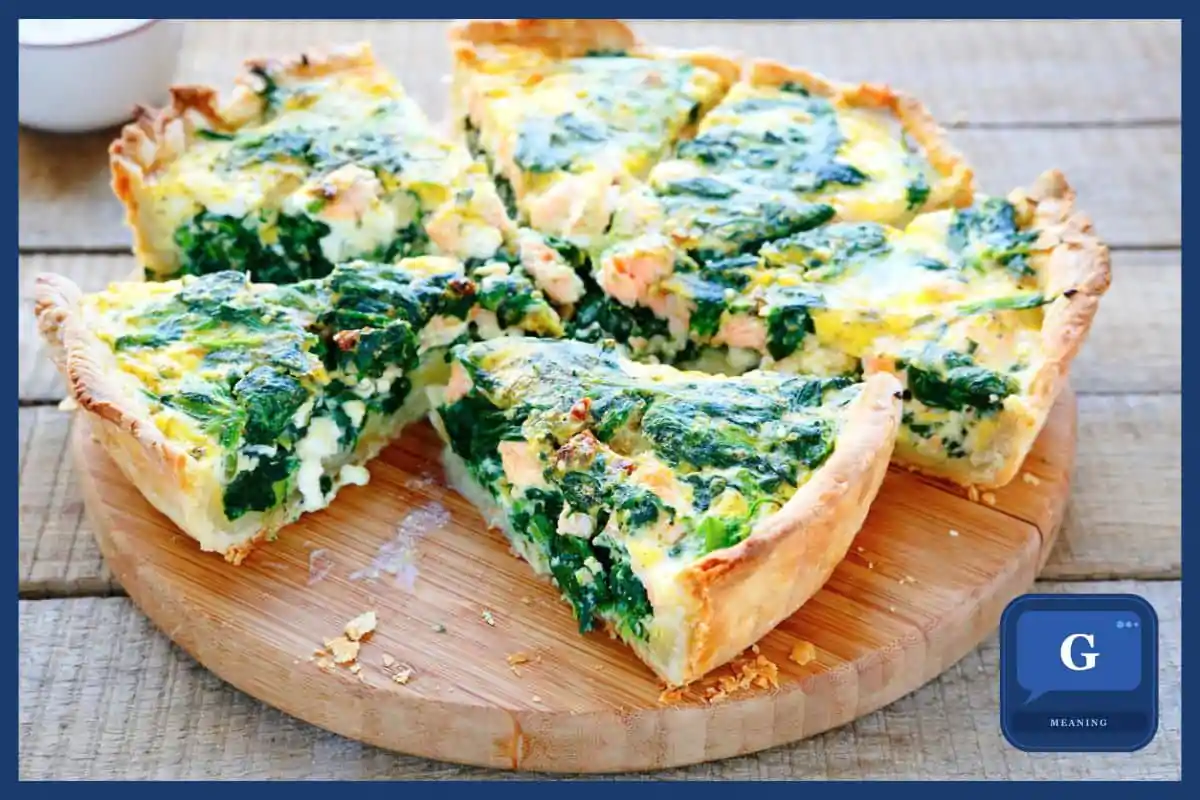
Tarta de Acelga: The Ultimate Guide to Argentina’s Beloved Swiss Chard Pie
Introduction: Why Tarta de Acelga Deserves a Spot on Every Table
If you’ve ever wandered through a Buenos Aires neighborhood bakery or sat down at a traditional Argentine family table, chances are you’ve encountered the humble but deeply satisfying tarta de acelga. This iconic Swiss chard pie is not just food — it is a cultural statement, a memory on a plate, and a testament to the genius of Argentine home cooking.
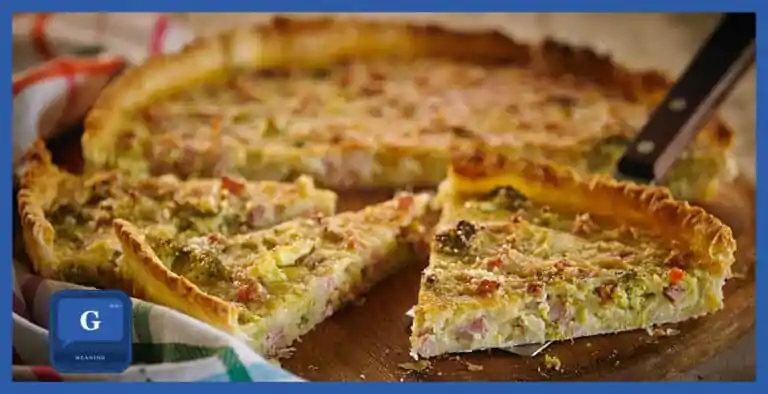
Tarta de acelga is one of those dishes that feels both effortless and extraordinary. A golden, flaky crust holds a filling of tender Swiss chard, creamy cheese, eggs, and sometimes a whisper of nutmeg. Every bite carries warmth, comfort, and a distinct savory depth. Whether served warm from the oven, at room temperature during a Sunday asado, or packed cold into a lunch box, this dish never disappoints.
In this guide, we will explore everything you need to know about tarta de acelga — its history, what makes a truly great version, how to find the best ones near you, and how to recreate it in your own kitchen. Let’s dig in.
The Cultural Roots of Tarta de Acelga in Argentine Cuisine
Argentina’s food culture is a beautiful mosaic of immigrant traditions, and tarta de acelga reflects this perfectly. The dish draws heavily from Spanish and Italian culinary heritage, where savory pies, empanadas, and vegetable tarts have been staple foods for centuries.
When waves of Spanish and Italian immigrants arrived in Argentina during the late 19th and early 20th centuries, they brought their pantry staples with them — including a love of Swiss chard, known locally as acelga. This leafy green, hearty and easy to grow, became a fixture in Argentine home gardens and street markets.
Over time, the classic European torta di bietole and the Spanish tarta de acelgas were adapted using local ingredients. Argentine cooks added their own spin — richer egg fillings, a more generous hand with cheese, and a uniquely buttery double-crust style. The result was tarta de acelga as Argentines know it today: rustic, filling, and deeply comforting.
Today, it appears in panaderías (bakeries), rotiserías (ready-made food shops), school cafeterias, and home kitchens across the country. It is a dish that unites generations — grandmothers teach grandchildren, and the recipe lives on.
What Makes a Great Tarta de Acelga?
Not all versions of tarta de acelga are created equal. The difference between a mediocre slice and a transcendent one comes down to a few essential elements.
The Crust: Flaky, Golden, and Sturdy
The crust is the foundation. A great tarta de acelga crust should be golden brown on top, slightly crispy at the edges, and firm enough to hold a slice without crumbling apart in your hands. Many traditional Argentine recipes use a masa casera (homemade dough) made with flour, fat (butter, lard, or shortening), a pinch of salt, and just enough cold water to bring it together.
Store-bought dough is perfectly acceptable for everyday cooking, but if you can make your own, the difference in texture and flavor is worth every extra minute.
The Filling: Earthy, Creamy, and Balanced
The heart of any tarta de acelga is, of course, the filling. Swiss chard must be properly prepared — washed, blanched or sautéed, and squeezed thoroughly to remove as much moisture as possible. Excess water is the enemy of a good tart; it leads to a soggy bottom and a watery texture.
The chard is combined with eggs, which bind the filling and give it a silky, custard-like quality when baked. Cheese is essential — many Argentine cooks use queso cremoso (a mild, creamy cow’s milk cheese), though ricotta, cottage cheese, or even mozzarella work beautifully. Some add queso de mano for a slightly tangy note.
Seasoning matters, too. Salt, black pepper, and a grating of fresh nutmeg elevate the filling from simple to sophisticated. Some cooks add sautéed onion or garlic for extra depth.
The Bake: Patience Rewards the Cook
A well-baked tarta de acelga should be evenly golden, with no raw dough at the center. The filling should be set — firm but not dry, with a slight jiggle when you shake the pan. This requires moderate oven heat (around 180–190°C / 355–375°F) and enough time for the crust and filling to cook through together.
Regional Variations Across Argentina
One of the joys of exploring tarta de acelga across Argentina is discovering how regional preferences shape the dish.
Buenos Aires Style
In Buenos Aires, the classic version tends to use a double crust — both a bottom and top layer of pastry. The filling is rich with eggs and cheese, often queso cremoso or ricotta. This is the version most people picture when they think of tarta de acelga: generous, satisfying, and thoroughly Argentine.
Córdoba and the Interior Provinces
In Córdoba and surrounding provinces, you’ll sometimes find versions with added jamón (ham) tucked into the filling, giving it a slightly smoky, savory note. The crust may be thicker and doughier — more of a torta than a delicate tart.
Patagonian Variations
In the cooler south, where Swiss chard grows abundantly in home gardens, tarta de acelga is sometimes enriched with a béchamel layer beneath the chard filling. This adds a creamy, velvety texture and makes the dish even more warming on cold winter nights.
How to Find the Best Tarta de Acelga Near You
If you’re searching for the best tarta de acelga near you, the good news is that this dish is widely available across Argentina and in Argentine communities worldwide.
Local Panaderías and Rotiserías are your best bet. These neighborhood staples produce fresh tartas daily, often baked in the morning and sold by the slice or as whole pies. Look for places with high turnover — freshness is everything with a vegetable tart.
Argentine Restaurants and Cafés often list tarta de acelga as part of their lunch menu or daily specials. It pairs beautifully with a simple salad and a glass of still water or a light Malbec.
Farmers’ Markets and Food Fairs in cities with significant Argentine communities — from Barcelona to Miami to Sydney — often feature home cooks selling traditional baked goods, including tarta de acelga.
Online Reviews and Local Apps like Google Maps, Yelp, or TripAdvisor can help you identify top-rated spots. Search “tarta de acelga” along with your city or neighborhood to find highly reviewed bakeries and restaurants.
When evaluating a place, look for reviews that mention freshness, a good crust-to-filling ratio, and generous use of real cheese. A well-made tarta de acelga should never taste bland or waterlogged.
How to Make Authentic Tarta de Acelga at Home
Making tarta de acelga at home is genuinely accessible, even for beginner cooks. Here is a traditional approach to crafting this beloved dish from scratch.
Preparing the Filling
Begin with fresh Swiss chard — about 800 grams to 1 kilogram for a standard 28–30 cm tart pan. Wash the leaves thoroughly, remove the thickest stems, and either blanch in boiling salted water for two minutes or sauté in a pan with a drizzle of olive oil until wilted. Either method works; blanching gives a cleaner flavor, while sautéing adds richness.
Once cooled, squeeze the chard firmly in your hands or in a clean kitchen towel to remove as much liquid as possible. Chop roughly and place in a mixing bowl. Add three to four eggs, 300 grams of queso cremoso or ricotta, salt, black pepper, and a grating of nutmeg. Mix until combined. If using sautéed onion or garlic, fold it in here.
Assembling and Baking
Roll out your pastry dough and line the bottom of a greased tart pan, letting the edges hang slightly over the sides. Pour in the chard filling and spread it evenly. Place the top layer of pastry over the filling, pinch the edges to seal, and use a fork to crimp them neatly. Pierce the top a few times with a fork to allow steam to escape.
Brush the top with beaten egg for a golden finish, then bake at 185°C (365°F) for approximately 35–45 minutes, until the crust is deeply golden and the filling is set. Allow to cool for at least 15 minutes before slicing.
Serving Suggestions
Tarta de acelga is wonderfully versatile. Serve it warm as a main course alongside a green salad dressed with lemon and olive oil. Slice it at room temperature for a picnic or lunchbox. Reheat it gently in the oven (never the microwave, which softens the crust) for best results the next day.
Nutritional Value of Tarta de Acelga
Beyond its irresistible flavor, tarta de acelga is genuinely nutritious. Swiss chard is a powerhouse green, rich in vitamins K, A, and C, as well as magnesium, potassium, and dietary fiber. It contains antioxidants including betalains and flavonoids, which support overall cellular health.
The eggs in the filling provide high-quality protein and essential fatty acids. Cheese contributes calcium and additional protein, while the pastry offers satisfying carbohydrates for sustained energy. As a balanced meal with vegetables, protein, and healthy fats, tarta de acelga is a smarter choice than many convenience foods, and far more delicious.
For those watching calories or fat intake, the recipe adapts easily — use a single-crust version, reduce the cheese slightly, or opt for a lighter dough made with olive oil rather than butter or lard.
Pairing Tarta de Acelga with Other Dishes and Drinks
Tarta de acelga shines as a centerpiece dish but also works beautifully as part of a larger spread.
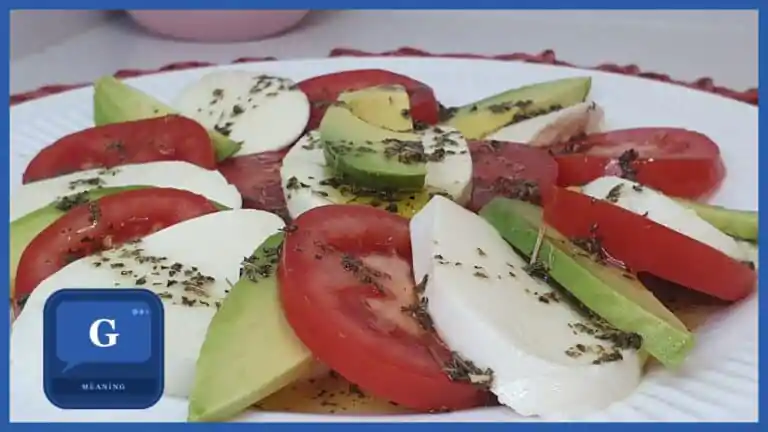
For a classic Argentine lunch, pair it with a simple tomato and onion salad dressed with olive oil and oregano. A bowl of sopa de verduras (vegetable soup) alongside makes for a complete, warming meal. At a merienda (afternoon snack), a smaller slice alongside mate or a cup of black tea is a very traditional pairing.
For wine pairing, a light and crisp Torrontés from Salta complements the earthy Swiss chard beautifully. A young, unoaked Malbec also works surprisingly well, its gentle tannins balancing the richness of the egg-and-cheese filling.
Tips for Perfecting Your Tarta de Acelga Every Time
Even experienced cooks sometimes struggle with getting tarta de acelga just right. The single most common issue is a wet, soggy filling. The solution is simple but requires discipline: always squeeze the cooked chard as dry as possible before mixing with the eggs and cheese.
Another key tip is to let the tart cool before cutting. Cutting into a freshly baked tarta de acelga releases steam and can cause the filling to collapse. Give it at least 15 minutes — ideally 30 — for the filling to set fully.
If you want an extra crispy bottom crust, try blind baking the base for 10 minutes before adding the filling. This pre-baking step ensures the bottom doesn’t absorb moisture from the filling before it has a chance to set in the oven.
Finally, don’t skimp on seasoning. Swiss chard has a mild, slightly earthy flavor that needs salt, pepper, and nutmeg to truly sing. Taste your filling before baking and adjust accordingly.
Conclusion: Embracing the Joy of Tarta de Acelga
Tarta de acelga is more than a recipe — it is a tradition, a comfort, and a connection to the rich culinary heritage of Argentina. Whether you are discovering it for the first time, searching for the best slice near you, or learning to make it at home, this dish rewards every moment of attention you give it.
From its immigrant roots to its place on modern Argentine tables, tarta de acelga has endured because it is simply, quietly perfect. A golden crust, a verdant filling, a fragrance of nutmeg drifting from the oven — few things are more satisfying than that first slice, warm and generous, on a plate in front of you.
So go ahead — explore your local bakeries, try the recipe at home, and share it with people you love. Tarta de acelga has been bringing people together for over a century, and there is no reason to stop now.
Frequently Asked Questions About Tarta de Acelga
Q1: What is tarta de acelga made of?
Tarta de acelga is a savory Argentine pie made with a pastry crust filled with Swiss chard (acelga), eggs, cheese (usually queso cremoso or ricotta), and seasonings such as salt, pepper, and nutmeg. It typically features both a bottom and top crust, giving it the classic double-layer appearance.
Q2: Is tarta de acelga served hot or cold?
Tarta de acelga is delicious both ways. It is commonly served warm straight from the oven, but also enjoyed at room temperature throughout the day. It stores well in the refrigerator for up to three days and can be gently reheated in the oven to restore the crispiness of the crust.
Q3: Can I make tarta de acelga without eggs?
Yes, egg-free versions exist and work reasonably well. You can substitute eggs with a mixture of silken tofu blended smooth, or use a commercial egg replacer combined with a small amount of cornstarch to help bind the filling. The texture will be slightly softer, but the flavor remains delicious.
Q4: Where can I find tarta de acelga near me?
The best places to find tarta de acelga near you are Argentine bakeries (panaderías), Argentine restaurants, and rotiserías (ready-made food shops). In cities with large Argentine communities, farmers’ markets and cultural festivals often feature it. Google Maps and Yelp are useful tools for locating nearby options.
Q5: How do I keep my tarta de acelga crust from getting soggy?
The key to a crispy crust is removing as much moisture as possible from the cooked Swiss chard before mixing it into the filling. Squeeze the blanched or sautéed chard firmly in a clean kitchen towel or with your hands. You can also blind bake the bottom crust for 10 minutes before adding the filling to give it a head start on crisping up.

Helping brands improve search visibility through expert guest posting, blogger outreach, quality backlink acquisition, and white-hat off-page SEO strategies that deliver results.