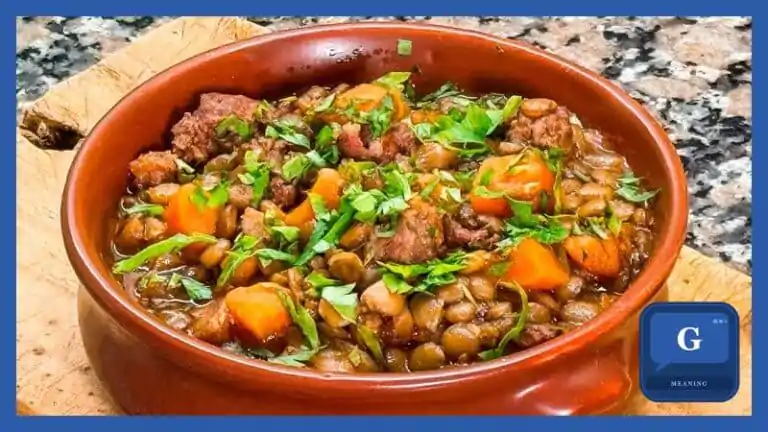
Best Guiso de Arroz: The Ultimate Guide to Finding and Savoring This Latin Classic
There are certain dishes that feel like a warm embrace — the kind of food that reaches past your appetite and settles something deeper. Best guiso de arroz sits firmly in that category. This humble, hearty Latin American rice stew has been feeding families across generations, from the crowded kitchens of Buenos Aires to the home tables of Bogotá, and it continues to earn its place as one of the most satisfying one-pot meals that Latin cuisine has to offer.
Whether you’re searching for it at a local restaurant, trying to understand what makes one version better than another, or looking to cook it yourself with the confidence of someone who actually knows what they’re doing — this guide covers it all. By the time you’re done reading, you’ll know exactly what to look for, what to avoid, and why this dish deserves a permanent place in your food life.
What Is Guiso de Arroz? Understanding the Dish Before You Order It
Before you can find the best guiso de arroz, it helps to truly understand what you’re looking for. The word “guiso” in Spanish refers to a slow-cooked stew — a preparation method defined not by any single ingredient but by the philosophy of combining elements and letting them transform each other over time. “Arroz” simply means rice. So at its most literal, guiso de arroz is a rice stew.
But that description does the dish no justice whatsoever.
What makes a great guiso de arroz is the way it manages to be both rustic and deeply flavorful at the same time. The rice is not cooked separately and then added — it is cooked directly in the stew, absorbing the broth, the fat rendered from the meat, the sweetness of softened onion, and the earthiness of whatever spices have been layered in during cooking. By the time the dish reaches your bowl, the rice has become inseparable from everything around it. Every bite carries the full story of the pot.
The Origins of Guiso de Arroz: A Dish Rooted in Tradition
To understand where the best guiso de arroz comes from, you need to understand the broader landscape of Latin American home cooking. This dish has deep roots in Argentina in particular, where it ranks among the most frequently prepared weeknight meals in the country. Argentine home cooks have been making guiso de arroz for generations, typically leaning on affordable cuts of beef, pantry staples like tomato purée and onion, and whatever vegetables happen to be on hand.
The dish reflects a core philosophy of Argentine and broader Latin American cooking: that good food does not require expensive ingredients, only time, care, and proper seasoning. A pot of guiso de arroz made with attention and patience will outperform a more elaborate dish made carelessly every single time.
Colombia, Venezuela, and other parts of Latin America have their own interpretations, shaped by regional produce, spice preferences, and cultural traditions. In Colombia, you might find versions that incorporate local seasoning blends and different cuts of meat. In Venezuela, the dish takes on the flavors typical of Venezuelan home cooking, sometimes incorporating ingredients that reflect the country’s African and indigenous influences. What unites all these versions is the fundamental technique: meat and vegetables cooked together in a flavorful liquid, with rice added to absorb and unify everything.
What Goes Into the Best Guiso de Arroz? Key Ingredients Explained
Understanding the ingredients of a great guiso de arroz tells you what to look for when evaluating a restaurant version — and what to focus on if you’re cooking at home.
The Rice
The choice of rice matters more than most people realize. Long-grain white rice is the traditional choice for guiso de arroz, and it is used for good reason. It absorbs liquid efficiently without turning mushy, provided it is not overcooked. The rice should be al dente — cooked through, but with a slight resistance that keeps the texture of the stew interesting. Overcooked rice that has dissolved into the broth is the most common failure point in a poorly made guiso, and it is immediately noticeable.
The Meat
Traditional guiso de arroz is almost always made with beef, though pork is also common in many Argentine households. The key is using cuts that benefit from slow cooking — tougher, more collagen-rich pieces that become tender and flavorful as they break down over low heat. These affordable cuts actually produce more flavor than premium cuts when prepared this way, which is one of the reasons guiso de arroz has historically been working-class comfort food of the highest order. Some versions incorporate chorizo or panceta alongside the primary meat, adding richness and smokiness to the overall profile.
The Vegetables
The vegetable base typically starts with onion, garlic, and bell pepper — a combination that forms the aromatic backbone of the dish. From there, carrots, zucchini, potatoes, and tomatoes are all common additions, with each cook making choices based on personal preference and what is available. Tomato purée or crushed tomatoes are almost always present, lending acidity, color, and depth that the dish would lack without them.
The Seasoning
This is where regional identity and personal touch really show up. Cumin, sweet paprika, oregano, and bay leaves are among the most traditional seasonings in Argentine-style guiso de arroz. Some cooks add a splash of white or red wine to the pot during the browning stage, which adds another layer of complexity to the finished dish. The seasoning should be confident but balanced — strong enough to be clearly present, restrained enough that no single note dominates.
How to Recognize the Best Guiso de Arroz at a Restaurant
If you’re searching for the best guiso de arroz at a restaurant or Latin American eatery near you, there are specific things to look for that will tell you within a few bites whether the kitchen knows what it’s doing.
The Broth Has Character
A great guiso de arroz has a broth that is reduced and concentrated — not watery, not overly thick, but somewhere in the deeply flavorful middle. If the liquid in the bowl tastes like seasoned water, that’s a kitchen that hasn’t given the stew enough time or attention. If the broth is rich, slightly viscous, and carries the memory of every ingredient in the pot, that’s the real thing.
The Rice Is Cooked Correctly
There is a narrow window between undercooked and overcooked rice in this dish, and the best kitchens hit it consistently. The rice should be fully cooked but retain enough structure to be identifiable. If the stew has the texture of porridge, the rice was cooked too long. If you’re biting into chalky centers, it hasn’t had enough time.
The Meat Is Tender Without Being Dry
Properly cooked meat in a guiso de arroz practically falls apart under gentle pressure. It should be tender enough to cut with a spoon, but still moist and flavorful — not stringy, not dry, not flavorless. Dry, chewy meat is a sign that the cooking temperature was too high or the timing was off.
The Dish Is Served Hot
Guiso de arroz is always served hot and fresh from the pot. A version that has been sitting under a heat lamp or reheated multiple times loses the integrity of its texture and the brightness of its flavors. The best versions arrive steaming, with the aroma doing half the work before you even pick up your spoon.
Regional Variations Worth Knowing About
Part of what makes the best guiso de arroz such a rich subject is that “authentic” means something slightly different depending on where you are in Latin America.
Argentine-Style Guiso de Arroz
The Argentine version is perhaps the most widely referenced and is characterized by its emphasis on quality beef, a tomato-forward broth, and seasoning with cumin, sweet paprika, and oregano. Argentine cooks often add a small splash of wine and use the braising liquid from the meat as the base for cooking the rice, ensuring that every component carries the same flavor thread. Some households add potatoes or corn to bulk the dish further.
Colombian Variations
Colombian versions of rice stew tend to incorporate local seasoning traditions, including the use of sofrito-style bases made with tomato, onion, garlic, and ají (local chili peppers). The flavors lean slightly brighter and more herbaceous than the Argentine version, and the choice of protein can vary more widely.
Venezuelan Interpretations
Venezuelan home cooks often incorporate ingredients like black beans, plantain, or local spices that reflect the country’s diverse culinary heritage. The resulting dish has a distinct personality while still maintaining the fundamental comfort-food spirit of the original.
How to Find the Best Guiso de Arroz Near You
Finding a genuinely good guiso de arroz near you requires a bit of strategy. Not every Latin American restaurant serves it, and among those that do, quality varies considerably.
Start with Google Maps or Yelp and search directly for “guiso de arroz” rather than just “Latin American food.” This narrows results to places that specifically offer the dish, which already signals that it may be a specialty rather than an afterthought. Look at photos posted by diners — a well-made guiso de arroz photographs with a deep, rust-colored broth, identifiable vegetables, and rice that holds its shape. If the photos show a pale, watery bowl with mushy texture, keep looking.
Reviews that specifically mention the guiso de arroz by name are your most reliable guide. Look for language that references the depth of flavor, the quality of the meat, and the texture of the rice — these are the details that experienced diners notice and comment on when a dish is done properly.
Argentine and Colombian restaurants are your most likely bets for finding a kitchen that treats this dish seriously. Family-owned spots with handwritten menus and a loyal local following often produce better versions than larger, higher-volume establishments where the stew may be made in bulk and reheated to order.
Making the Best Guiso de Arroz at Home
If you cannot find a great version near you — or if you want to experience the dish in the most personal way possible — making it at home is genuinely achievable, even for cooks without advanced technique.
The process begins with browning your meat in olive oil in a heavy-bottomed pot or Dutch oven. Do not rush this step. The Maillard reaction that occurs when meat browns properly is the foundation of the dish’s depth. Remove the meat and soften your aromatics — onion, garlic, bell pepper — in the same fat. Add tomato purée, your spices, and a splash of wine if you are using it. Return the meat to the pot and add just enough broth or water to cover. Simmer gently until the meat is tender.
Then add your rice and additional vegetables, adjust the liquid, and cook over low heat until the rice has absorbed the broth and the stew has come together. Let it rest for five minutes off the heat before serving — this resting period allows the rice to finish cooking in its own steam and the flavors to settle into final balance.
Serve it steaming hot, with a piece of good bread and, if you like, a scattering of fresh parsley or grated cheese on top.
Conclusion
The best guiso de arroz is one of those dishes that reminds you why food matters beyond mere nutrition. It is comfort in a bowl — built on affordable ingredients, traditional technique, and the kind of patience that transforms the ordinary into the memorable. Whether you find your ideal version at a family-run Argentine restaurant, a Colombian spot with a handwritten menu, or your own stovetop on a cool evening, the experience of a well-made guiso de arroz is genuinely hard to forget.
It asks nothing of you except your full attention and a willingness to be nourished. And in return, it delivers everything: warmth, flavor, and the particular satisfaction of a dish that has been perfected not in professional kitchens but in home kitchens, over generations, by people who cooked for love rather than recognition.
That is what you are really looking for when you search for the best guiso de arroz — and now you know exactly how to find it.
Frequently Asked Questions About Guiso de Arroz
Q1: What is guiso de arroz?
Guiso de arroz is a traditional Latin American rice stew made by slow-cooking rice together with meat, vegetables, and a seasoned broth in a single pot — a dish especially popular in Argentina and Colombia.
Q2: What meat is used in the best guiso de arroz?
Beef is the most traditional choice, specifically tougher, slow-cooking cuts that become tender and flavorful during the long cooking process; pork and chorizo are also common additions in Argentine and Colombian versions.
Q3: How is guiso de arroz different from arroz con pollo?
While both are Latin rice dishes cooked in one pot, arroz con pollo specifically features chicken as the protein, while guiso de arroz typically uses beef or pork and has a heartier, stew-like consistency with a richer, tomato-based broth.
Q4: How do I find the best guiso de arroz near me?
Search Google Maps or Yelp specifically for “guiso de arroz,” focus on Argentine or Colombian family-owned restaurants, and look for diner reviews that mention the depth of flavor and texture of the rice as specific qualities.
Q5: Can guiso de arroz be made vegetarian?
Yes — a vegetarian version replaces the meat with additional vegetables such as zucchini, chickpeas, or potatoes, uses vegetable broth as the base, and relies on well-layered spices like cumin, paprika, and oregano to achieve a similarly satisfying depth of flavor.

Helping brands improve search visibility through expert guest posting, blogger outreach, quality backlink acquisition, and white-hat off-page SEO strategies that deliver results.