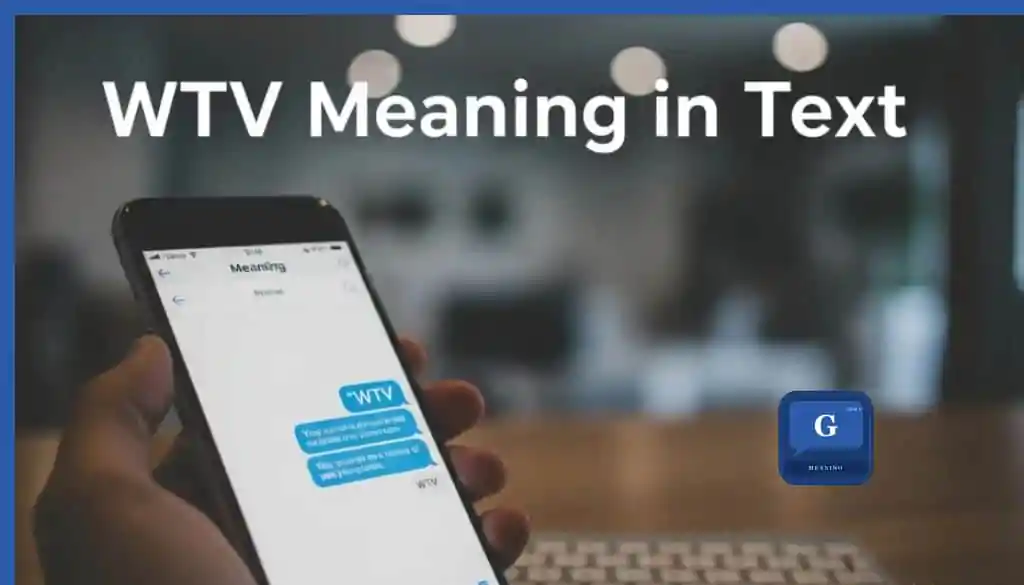
What Does WTV Mean in Text? The Complete Guide to This Popular Slang
If someone just dropped a “wtv” in your chat and you found yourself staring at the screen wondering what just happened, you’re in exactly the right place. What does wtv mean in text? It’s one of those abbreviations that feels obvious once you know it, but completely opaque before that moment of clarity. This guide breaks it all down — the meaning, the tone, the context, the history, and exactly how to use it yourself without missing the mark.
What Does WTV Mean in Text, Exactly?
WTV stands for “whatever.” It’s a text abbreviation used across messaging platforms like iMessage, WhatsApp, Snapchat, Instagram DMs, and even comment sections on TikTok and Twitter. When someone types “wtv,” they mean the same thing as the full word — but in the compressed, low-effort style that defines modern digital communication.
The word “whatever” itself carries a lot of emotional range in everyday speech. It can mean genuine indifference, casual flexibility, mild irritation, dismissiveness, or even a breezy attitude of going-with-the-flow. When people ask what does wtv mean in text, they’re really asking which of those emotional registers is in play — and the honest answer is: all of them, depending on context.
Understanding wtv isn’t just about knowing the definition. It’s about reading the room of a conversation, which is something no dictionary entry alone can teach you.
The Emotional Range of WTV: More Than Just “Whatever”
This is where things get interesting. The word “whatever” — and by extension wtv — is one of the most context-dependent words in informal English. The same three letters can communicate completely different feelings depending on how and when they’re used.
When WTV Means Casual Indifference
The most common use of wtv in texting is simply to express that you have no strong preference or opinion. Imagine a friend texting you: “Should we get pizza or burgers tonight?” and you genuinely don’t care either way. Typing “wtv works for me” is a perfectly friendly, low-stakes response that moves the conversation forward without making the other person feel like their question went unanswered.
In this context, wtv is warm and cooperative. It’s the textual equivalent of a relaxed shrug — not cold, not dismissive, just easy. This is probably why wtv became so popular among younger generations who communicate at high speed and prefer brevity over formality.
When WTV Signals Dismissiveness or Frustration
Here’s where what does wtv mean in text gets more nuanced. When someone sends “wtv” as a standalone response — especially after a disagreement or a moment of tension — it almost always carries a sharper edge. A single “wtv.” at the end of an argument is rarely neutral. It often means the person is done with the conversation, not because they agree, but because they’re too frustrated to continue.
This is the loaded version of whatever — the eye-roll in text form. Tone is everything, and punctuation plays a surprising role here. “Wtv” without punctuation feels casual. “Wtv.” with a period often feels cold. “Wtv!!” with exclamation marks can swing between playful and passive-aggressive depending on the surrounding conversation.
When WTV Is Used Playfully
Among close friends who text with humor and sarcasm, wtv often functions as a lighthearted brush-off that both parties understand isn’t serious. “I can’t believe you like pineapple on pizza.” — “Wtv hater, it’s delicious.” In this register, wtv is almost affectionate. It’s the abbreviation of a good-natured argument between people who are comfortable with each other.
This playful use is particularly common in Gen Z texting culture, where irony, self-aware exaggeration, and casual dismissal are all staples of friendly banter.
How WTV Fits Into Modern Texting Culture
To fully answer what does wtv mean in text, it helps to understand the broader texting culture it emerged from. Over the last two decades, digital communication has evolved its own grammar, vocabulary, and stylistic norms — and abbreviations like wtv are central to that evolution.
Texting rewards efficiency. Long, carefully constructed sentences take time to type on a touchscreen and can actually feel over-formal in casual contexts. Abbreviations compress common expressions into fast, low-friction responses that keep conversations flowing naturally. WTV, alongside other abbreviations like idk (I don’t know), ngl (not gonna lie), imo (in my opinion), and lmk (let me know), forms part of the everyday vocabulary of informal digital writing.
What makes wtv particularly interesting is that it captures something genuine about how people feel in conversation — that sense of genuine openness or situational fatigue — and transmits it instantly. You can read more about the evolution of internet slang and digital communication norms on platforms like Merriam-Webster’s slang coverage or Dictionary.com’s slang dictionary, both of which regularly update their entries to reflect how language actually evolves online.
WTV Across Different Platforms
The meaning of wtv in text stays consistent across platforms, but the frequency and style of use can shift depending on where you are online.
WTV on Snapchat and Instagram DMs
On Snapchat and Instagram, where messages tend to be quick, casual, and often paired with images or videos, wtv fits naturally into the short-form communication style. It’s common in streaks, story replies, and the kind of ongoing group chats that run all day between close friends. Here it almost always reads as friendly and casual rather than dismissive.
WTV on Twitter and TikTok Comments
In public-facing spaces like Twitter (now X) or TikTok comment sections, wtv tends to show up more in its dismissive or sarcastic form. Someone posting a controversial opinion and responding to critics with “wtv” is almost certainly using it to signal they’re unbothered — whether that’s genuine or performative. The abbreviation works well in the short comment format because it says a lot with very little space.
WTV in Group Chats
Group chats are probably where most people first encounter wtv in text. When a group is trying to make a collective decision — what movie to watch, where to eat, what time to meet — someone typing “wtv you all decide” is the digital equivalent of sitting back and letting others take the lead. In this context it’s almost always friendly and cooperative.
WTV Versus Other “Whatever” Abbreviations
WTV isn’t the only way people abbreviate “whatever” in text. You’ll also see wtvr, wateva, and occasionally the full word itself. Each carries a slightly different flavor.
“Wtvr” is essentially the same as wtv but slightly less common. “Wateva” tends to appear in more playful or exaggerated contexts — it has a slightly theatrical quality to it, as if the person is really leaning into the attitude. The full word “whatever,” typed out completely, often reads as more deliberate and sometimes more cutting than the abbreviation, simply because the extra effort signals intent.
Among all these variants, wtv has emerged as the most widely used across age groups and platforms, likely because it’s the shortest and easiest to type quickly.
How to Use WTV Correctly in Your Own Texts
If you want to start using wtv naturally in your own texting, the key is matching it to the right emotional moment. Use it when you genuinely have no strong preference and want to let someone else decide. Use it as a breezy brush-off among friends who will understand the tone is affectionate. And be aware of when not to use it — specifically, in moments where someone might read it as disengagement or passive aggression when you actually mean something warmer.
Context clues matter enormously. Pairing wtv with an emoji, a follow-up sentence, or an exclamation point can completely change how it reads. “Wtv, I’m down for anything! 😄” reads very differently from a standalone “wtv.” sent after a disagreement.
If you’re texting in professional or semi-professional contexts — with a manager, a client, or someone you don’t know well — it’s better to type out “whatever works for you” or “I’m flexible on that” rather than dropping a casual abbreviation that might land wrong.
Why People Search for What Does WTV Mean in Text
It’s worth noting that curiosity about what does wtv mean in text isn’t a sign of being out of touch — it’s a completely normal response to language that evolves faster than any dictionary can track. Slang terms like wtv gain traction almost entirely through use, spreading person to person through group chats, comments, and viral content before any formal documentation catches up.
Language has always evolved this way. Every generation coins its own shorthand, and the digital era has simply accelerated that process dramatically. Today’s texting abbreviations are tomorrow’s accepted informal vocabulary, and staying curious about what they mean is exactly the right instinct. You can explore how linguists track digital language evolution through resources like the Oxford English Dictionary’s new word additions for a fascinating look at how this process works officially.
Conclusion
So, what does wtv mean in text? At its simplest, it means “whatever” — but as we’ve seen throughout this guide, the real meaning shifts based on tone, platform, punctuation, and the relationship between the people texting. It can be warm and easygoing, playful and sarcastic, or cold and dismissive. The abbreviation itself is neutral; the conversation gives it color.
The next time wtv shows up in your messages, you’ll know exactly what to make of it — and now you have all the context to use it confidently yourself. Digital language moves fast, but once you understand the logic behind how abbreviations like wtv work, the rest of the internet’s slang becomes a lot easier to decode. For more guides on texting slang, digital communication, and online language trends, explore our other articles on modern messaging culture.
Frequently Asked Questions
Q1: What does wtv mean in text?
WTV stands for “whatever.” It’s used in texting and online messaging to express indifference, casual flexibility, or sometimes dismissiveness, depending on the context.
Q2: Is wtv rude to send?
It depends entirely on the situation. In friendly conversations, wtv is casual and harmless. After an argument or sent as a one-word response, it can come across as cold or passive-aggressive. Tone and context are everything.
Q3: Is wtv the same as idc?
Not exactly. WTV (whatever) expresses general indifference or openness, while IDC (I don’t care) tends to sound more pointed or dismissive. They can overlap but carry different emotional weights.
Q4: What age group uses wtv the most?
WTV is most commonly used by teenagers and young adults — particularly Gen Z — but it appears across age groups in casual texting and social media.
Q5: Can I use wtv in professional messages?
No. WTV is strictly informal slang. In professional, academic, or semi-formal communication, always write out “whatever works” or “I’m flexible” to avoid sounding unprofessional or dismissive.

Helping brands improve search visibility through expert guest posting, blogger outreach, quality backlink acquisition, and white-hat off-page SEO strategies that deliver results.